August 4, 2026·3 min read·family · lifestyle · Nosara · schools
The Kind of Childhood You Can't Buy Anywhere Else
Monkeys at recess, a five-minute commute, an IB campus carved into the jungle — what growing up in Nosara actually looks like, from someone who lived it K-12.
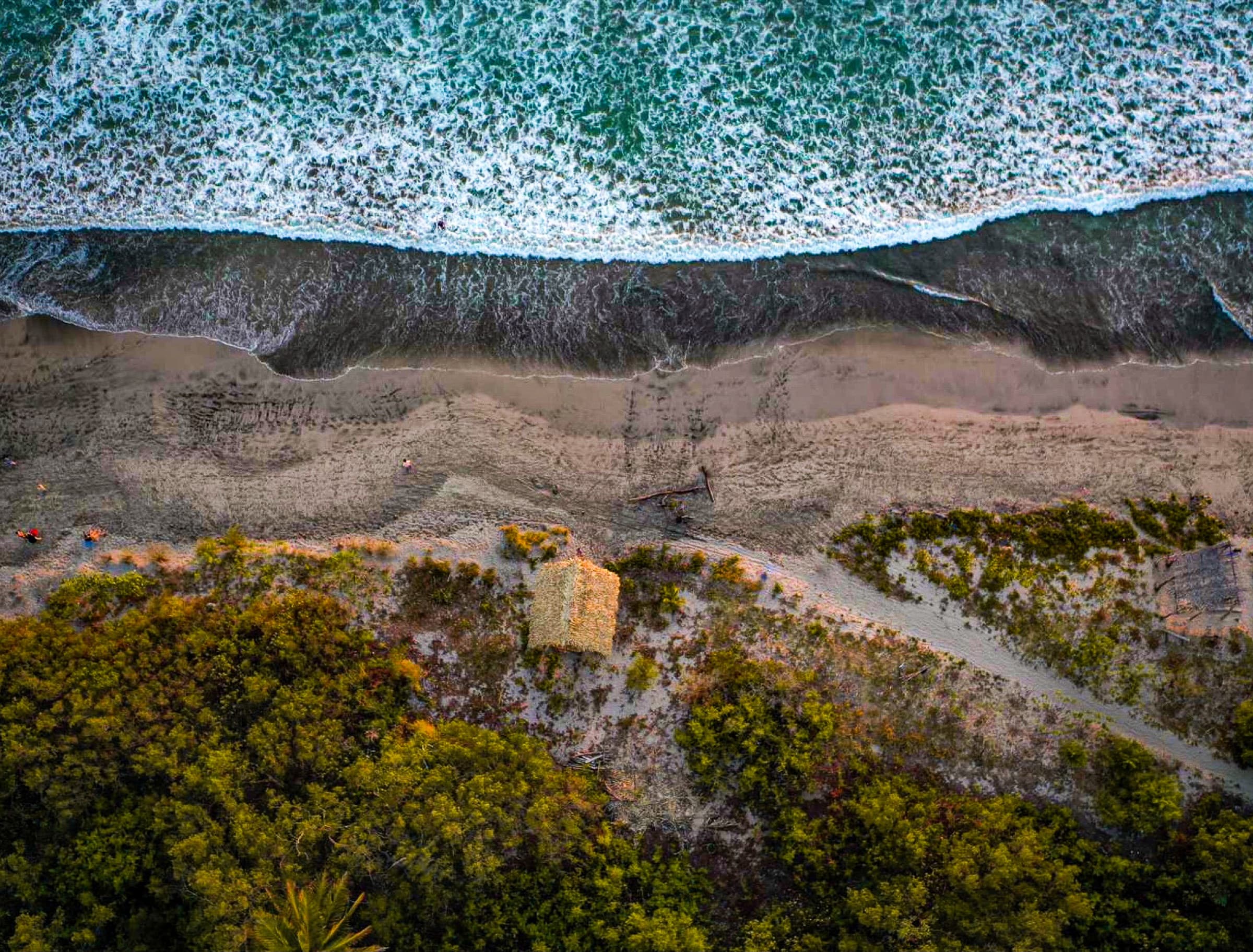
People ask me a version of the same question when they find out I grew up here: "What was that actually like?" Usually they mean it as small talk. I've learned to actually answer it, because the honest answer is the best argument I have for why families end up moving here.
Monkeys were just Tuesday
I went K-12 at Del Mar Academy, an IB school with a campus built into the jungle rather than cleared out of it. Monkeys in the trees during class wasn't an event — it was just what Tuesday looked like. Iguanas and pizotes wandering around campus registered about as much attention as a squirrel would anywhere else.
I still notice, now, when I'm describing this to someone from outside Costa Rica, the exact moment their face changes. To them it sounds like a nature documentary. To me it was just where I went to school.
An IB campus most private schools would envy
Del Mar Academy is a bilingual, MEP-accredited IB World School running the Middle Years and Diploma Programmes — the same academic framework families pay a premium for in Miami, London, or Singapore. The campus sits on 11 acres in Nosara with a science lab, art studio, covered basketball court and event space, two soccer fields, a climbing wall, a semi-Olympic pool, and pollinating gardens and composting systems that back its Costa Rican 5-star Blue Flag (Bandera Azul) sustainability rating — one of the highest environmental distinctions a school here can hold. About 300 students, from dozens of countries.
That combination is rarer than people assume: real international-standard education, on a genuinely sustainable campus, in a setting that would cost a fortune to manufacture anywhere else — because here, it doesn't need to be manufactured.
Five minutes, not fifty
The other thing I stopped noticing until I started comparing notes with people from bigger cities: I was home five to ten minutes after leaving campus, every day, no traffic. Friends hung out afterward in what we just called "the L section" — a community area right next to school, walkable, no one's parents needed to arrange a 45-minute drive across town for a playdate.
That's not a small thing when you're evaluating quality of life for kids. It's the difference between childhood happening near your house and childhood happening in your neighborhood.
The trails are the backyard
Nosara sits inside the NCA trail network — miles of it, genuinely walkable from most of the area. Growing up, that wasn't a wellness amenity, it was just where you rode bikes. It's the same land that shows up now in "Blue Zone" write-ups about why people here tend to stay active and outdoors well into old age. I just knew it as the way home.
Why this actually matters if you're considering Nosara for your family
I'm careful about not overselling this — a lot of places claim "paradise" and undersell what daily logistics actually look like. But the specific thing I'm describing here isn't marketing language. It's what a normal week looked like for me from age five to eighteen: real school, real nature, real proximity, no traffic.
If you're weighing Nosara against other options for relocating with kids, that lived-in version — not the brochure version — is the thing worth asking a local about. Send me a WhatsApp if you want the honest, un-glossy read on what daily life here is actually like for a family.
Keep Reading
Got a follow-up question?
Ask Julian directly.
Born and raised in Nosara. He'll give you a straight, honest answer — no sales pitch.
WhatsApp Julian